
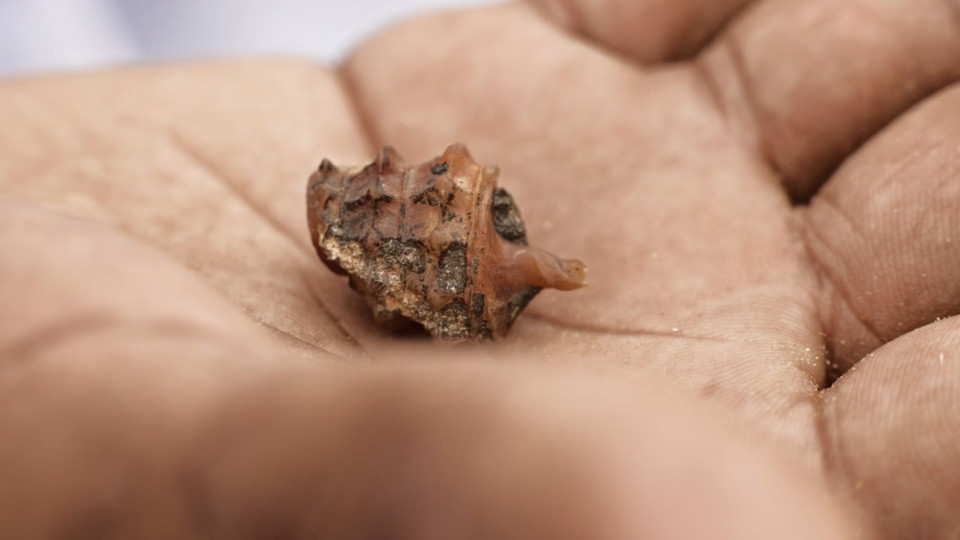


20 mai – 27 septembre 2026
Friche la Belle de Mai, 3ème étage
Commissariat : Gabrielle Camuset
Dans le cadre de la Saison Méditerranée 2026 et en partenariat avec le centre d’art Kulte (Rabat) et le Cirva (Marseille)
→ Contact presse : Camille Cousin
May 20 – September 27, 2026
Friche la Belle de Mai, 3rd floor
Curation: Gabrielle Camuset
As part of the Mediterranean Season 2026, in partnership with Kulte Art Center (Rabat) and Cirva (Marseille)
→ Press contact: Camille Cousin
Que se passe-t-il lorsque les modes d’articulation des mémoires et de l’espace politiquement construit, rencontrent à la fois une nécessité de savoir et un droit à l’oubli ?
Avec Sur les ruines, les pierres fleurissent, Abdessamad El Montassir, nous propose une plongée dans le désert et ses récits silenciés, qu’il envisage comme un ensemble archipélique, traversé de présences humaines et non-humaines, de mémoires enfouies et de temporalités disjointes. Un territoire vivant où les plantes, les arbres, les montagnes, le sable et le vent deviennent à leur tour des témoins actifs, capables de conserver et de transmettre ce que l’Histoire officielle laisse dans l’ombre.
Originaire du Sahara au sud du Maroc, Abdessamad El Montassir développe une pratique située à la croisée de l’art et de la recherche, dans laquelle le paysage n’est jamais une entité passive, mais un acteur à part entière. Ses projets s’ancrent dans une attention portée à ce qui échappe à la parole : celle des humains qui ne peuvent, ne veulent ou ne parviennent plus à témoigner, et celle, plus discrète, des entités non-humaines qui s’expriment dans des temporalités qui nous échappent. De cet intervalle naissent des récits fragmentaires, où la transmission se construit dans la rémanence.
L’exposition Sur les ruines, les pierres fleurissent réunit des œuvres récentes et de nouvelles productions qui invitent à suspendre le regard et à prêter attention à ce que révèlent les paysages. Elle propose une lecture renouvelée des territoires désertiques, non comme des espaces figés, mais comme un ensemble de constellations d’entités animales, végétales, humaines et minérales dignes.
Abdessamad El Montassir nous invite à affleurer ces récits fragmentaires, portés par ce qui persiste malgré l’effacement, rappelant que ce qui n’a pas été dit n’a jamais cessé d’agir. L’exposition se déploie ainsi comme une expérience d’écoute et de perception, nous engageant à reconsidérer la manière dont une historisation alternative se réinvente et se transmet au-delà des mots.
What happens when the ways that memories and politically constructed spaces are articulated encounters both the need to know and the right to forget?
With Sur les ruines, les pierres fleurissent (Among the ruins, the stones bloom), Abdessamad El Montassir proposes a plunge into the desert and its silenced stories, which he envisions as an archipelago, replete with both human and non-human presences, buried memories, and disjointed temporalities. It is a living landscape where plants, trees, mountains, the sand, and the wind become active witnesses, capable of conserving and transmitting that which the dominant narrative leaves in the shadows.
Originally from the Sahara in the south of Morocco, Abdessamad El Montassir has developed a practice situated at the intersection of art and research, in which the landscape is never a passive entity, but an active participant in its own right. His projects are rooted in an attention to what escapes language: the experiences of humans who cannot, will not, or are no longer able to bear witness, as well as the more discreet ways that non-human entities express themselves through temporalities that elude us. From this space emerge fragmentary narratives, where transmission is constructed through the afterimage of what once was.
The exhibition Sur les ruines, les pierres fleurissent brings together recent works and new pieces that invite us to pause and pay close attention to what the landscapes can reveal to us. It proposes a new reading of desert territories, not as static spaces, but as an ensemble of dignified entities: animals, plants, humans, and minerals.
Abdessamad El Montassir invites us to engage with these fragmented stories, carried by that which persists despite erasure, reminding us that what has not been said has still always been significant. The exhibition therefore takes shape as an experience of listening and perception, asking us to reconsider the manner in which alternative histories are reinvented and transmitted beyond words.
تزهر حجارة الأطلال
ماذا يحدث حين تتقاطع طرق تشكل الذاكرات والفضاء المكـوَّن سياسيا، مع ضرورة المعرفة والحق في النسيان؟
يقترح عبد الصماد المنتصر، من خلال معرضه “تزهر حجارة الأطلال” الغوص في الصحراء وسردياتها الصامتة التي يُركبها كنسيج أرخبيلي، تجتاحه كائنات بشرية وغير بشرية، وتتقاطع فيه ذكريات مطمورة وزمنيات متباعدة. إنه فضاء حي، تغدو فيه النباتات والاشجار والجبال والرمال والرياح شهودا فاعلين، قادرين على حفظ ونقل ما يحاول التاريخ الرسمي استلابه.ا
ينحدر عبد الصماد المنتصر من صحراء الجنوب المغربي، ويطور ممارسة تقع عند تقاطع الفن والبحث. لا تختزل مشاريعه الفنية المشهد الطبيعي كعنصر ساكن، بل كفاعل مشارك بحد ذاته في إنتاج العمل الفني. تتأسس ممارساته الفنية من خلال الإصغاء إلى ما يفلت من اللغة والسرد: لتتجسد من خلال همسات من لا يستطيعون أو لا يرغبون أو لم يعودوا قادرين على الكلام، وأصوات أكثر تحفظا لكيانات غير بشرية تعبر عن نفسها ضمن زمنيات تتجاوز حدود إدراكنا.ا
يجمع معرض “تزهر حجارة الأطلال” أعمالا حديثة وإنتاجات جديدة، تدعو إلى التأني وإعادة الإصغاء إلى ما تكشفه المناظر، ويقدم قراءة مستحدثة للفضاءات الصحراوية، لا كأماكن ثابتة، بل كتشابك من الكيانات الحيوانية، والنباتية، والبشرية، والمعدنية الجديرة بالاهتمام. تنبثق من هذه الفجوة روايات مجزأة، يتم بناء عملية النقل في استمراريتها. ا
يدعونا عبد الصماد المنتصر إلى ملامسة سرديات مجزأة، تحملها آثار ما يبقى رغم المحو. ويذكرنا بأن ما لم يُقَل لم يتوقف قَط عن الوجود. هكذا يتشكل المعرض كتجربة في الإصغاء والإدراك، تدعونا إلى إعادة التفكير في كيفية إنتاج سرديات بديلة وفي سبل نقلها، بما يتجاوز حدود الكلمات.ات
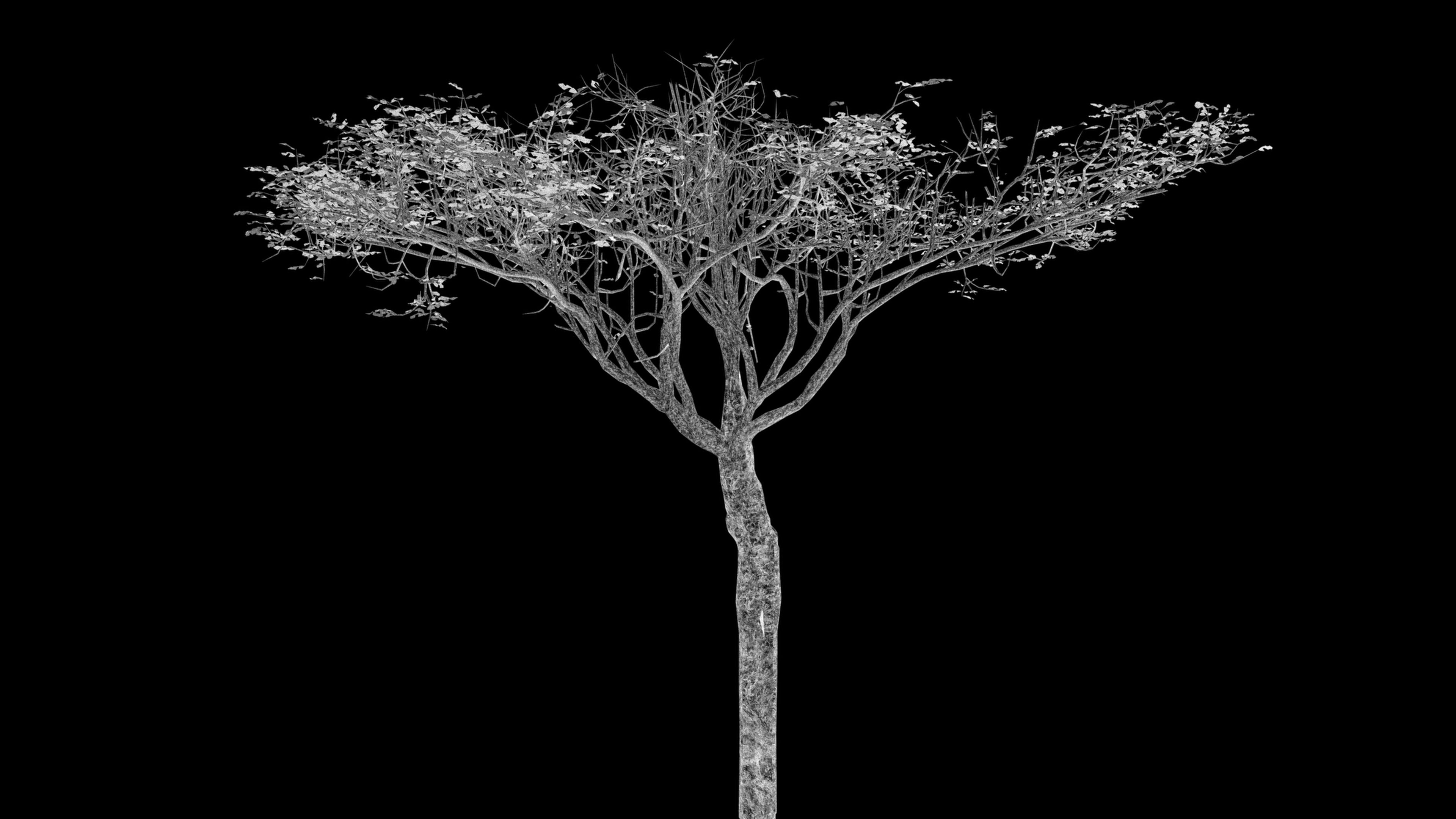 Abdessamad El Montassir, Sadra Kodia (détail), 2025. Installation vidéo immersive. © Abdessamad El Montassir / ADAGP, Paris
Abdessamad El Montassir est un artiste-chercheur. Ses projets se déploient dans des installations visuelles et sonores immersives qui explorent la notion de trauma et examinent comment les formes de violence vécues, (in)transmises ou anticipées s’incarnent dans les corps et les paysages. L’approche d’El Montassir est interdisciplinaire et prend forme dans des collaborations avec des scientifiques, des poètes et des citoyens-témoins.
Ancien pensionnaire de la Villa Médicis à Rome, du Smith College à Northampton et de l’IMéRA – Institut d’Études Avancées à Marseille, son travail a fait l’objet d’expositions personnelles et collectives, notamment à Bétonsalon à Paris, au Centre Pompidou-Metz, au MAXXI à Rome, au Musée national de l’histoire de l’immigration à Paris, à La Maison Salvan à Labège et plus récemment au FRAC Franche-Comté à Besançon.
Abdessamad El Montassir is an artist-researcher. His projects take the form of immersive visual and sound installations that explore the notion of trauma and examine how experienced, (un)transmitted, or anticipated forms of violence become embodied in bodies and landscapes. El Montassir’s approach is interdisciplinary and unfolds through collaborations with scientists, poets, and citizen-witnesses.
A former resident of the Villa Medici in Rome, Smith College in Northampton, and IMéRA – Institute for Advanced Study in Marseille, his work has been the subject of solo and group exhibitions, notably at Bétonsalon in Paris, the Centre Pompidou-Metz, MAXXI in Rome, the National Museum of the History of Immigration in Paris, La Maison Salvan in Labège, and more recently at the FRAC Franche-Comté in Besançon.
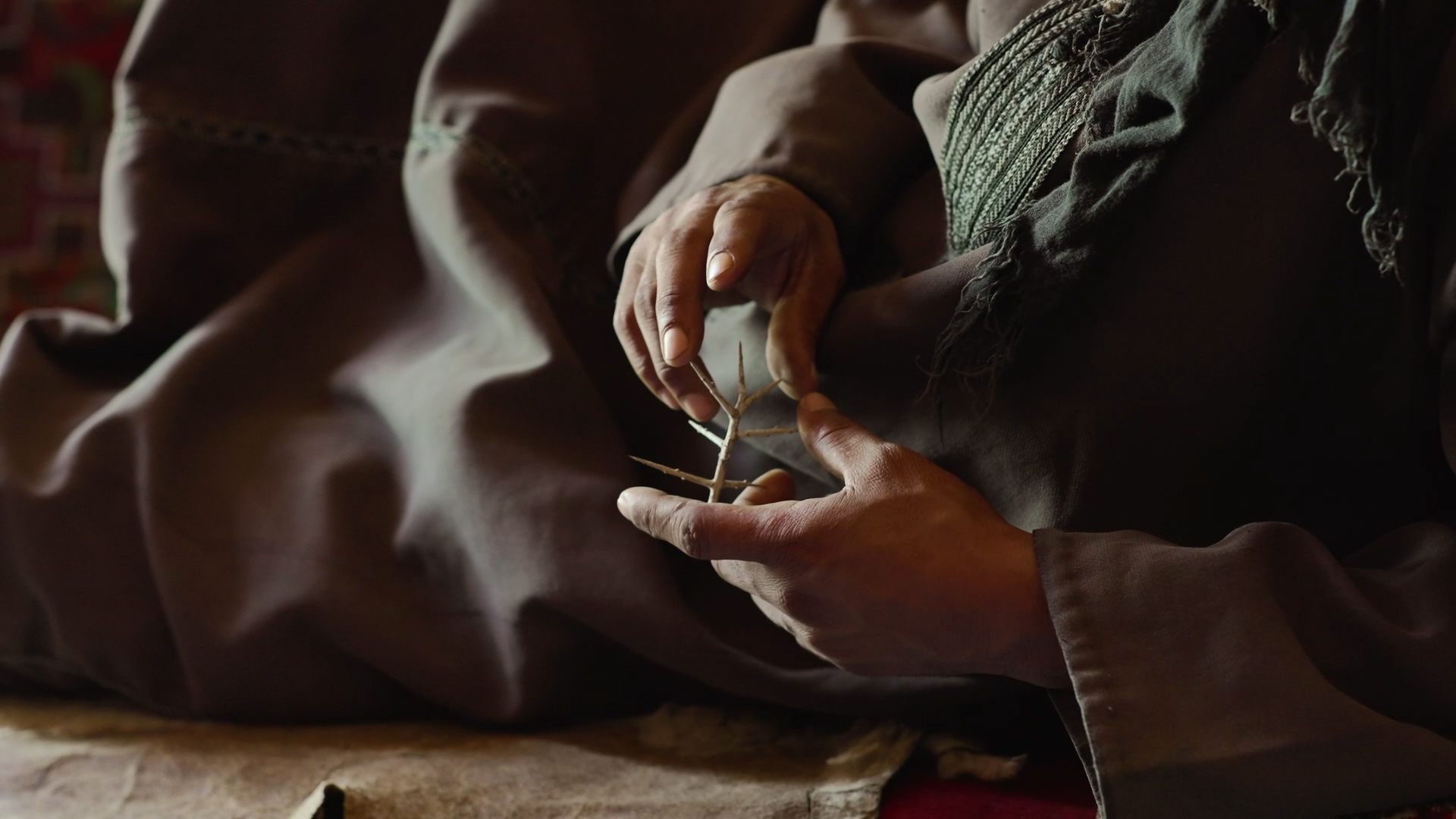 Abdessamad El Montassir, Trab’ssahl (détail), 2023. Trilogie de films full HD, son stéréo, 13min 30sec chaque. © Abdessamad El Montassir / ADAGP, Paris
Gabrielle Camuset is an independent curator and the founder of the production platform Sadah. Her practice, grounded in feminist, postcolonial, and documentary approaches, brings together research, production, and curatorial writing. She conceives and structures frameworks that engage artists, institutions, and territories in sustainable forms of cooperation across the Mediterranean region, with the aim of opening up spaces of recognition for marginalized narratives and struggles.
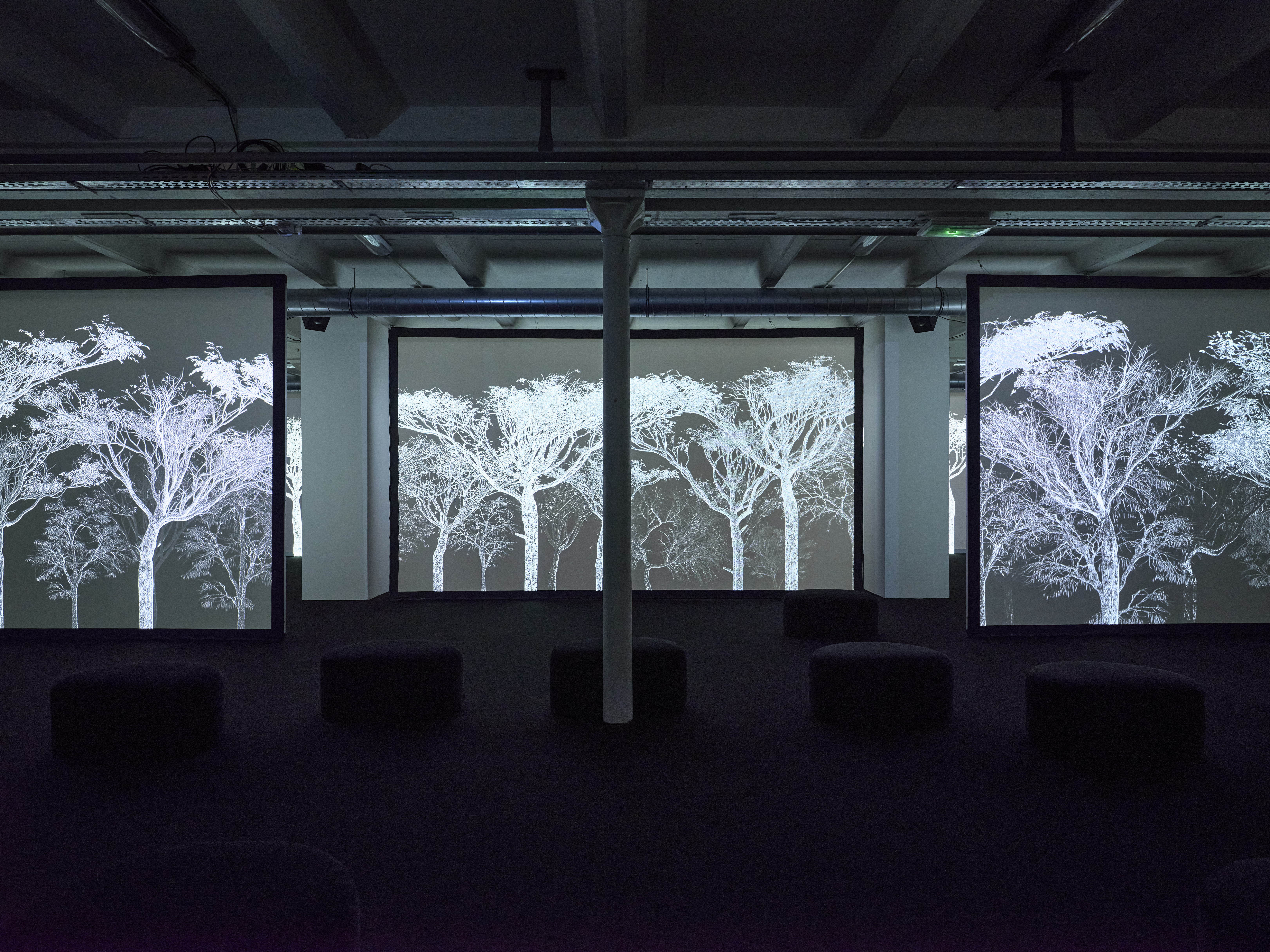 Abdessamad El Montassir. Vue d’exposition « Sur les ruines, les pierres fleurissent », 2026 © Abdessamad El Montassir / ADAGP, Paris. Crédit photo : Gregoire D’Ablon
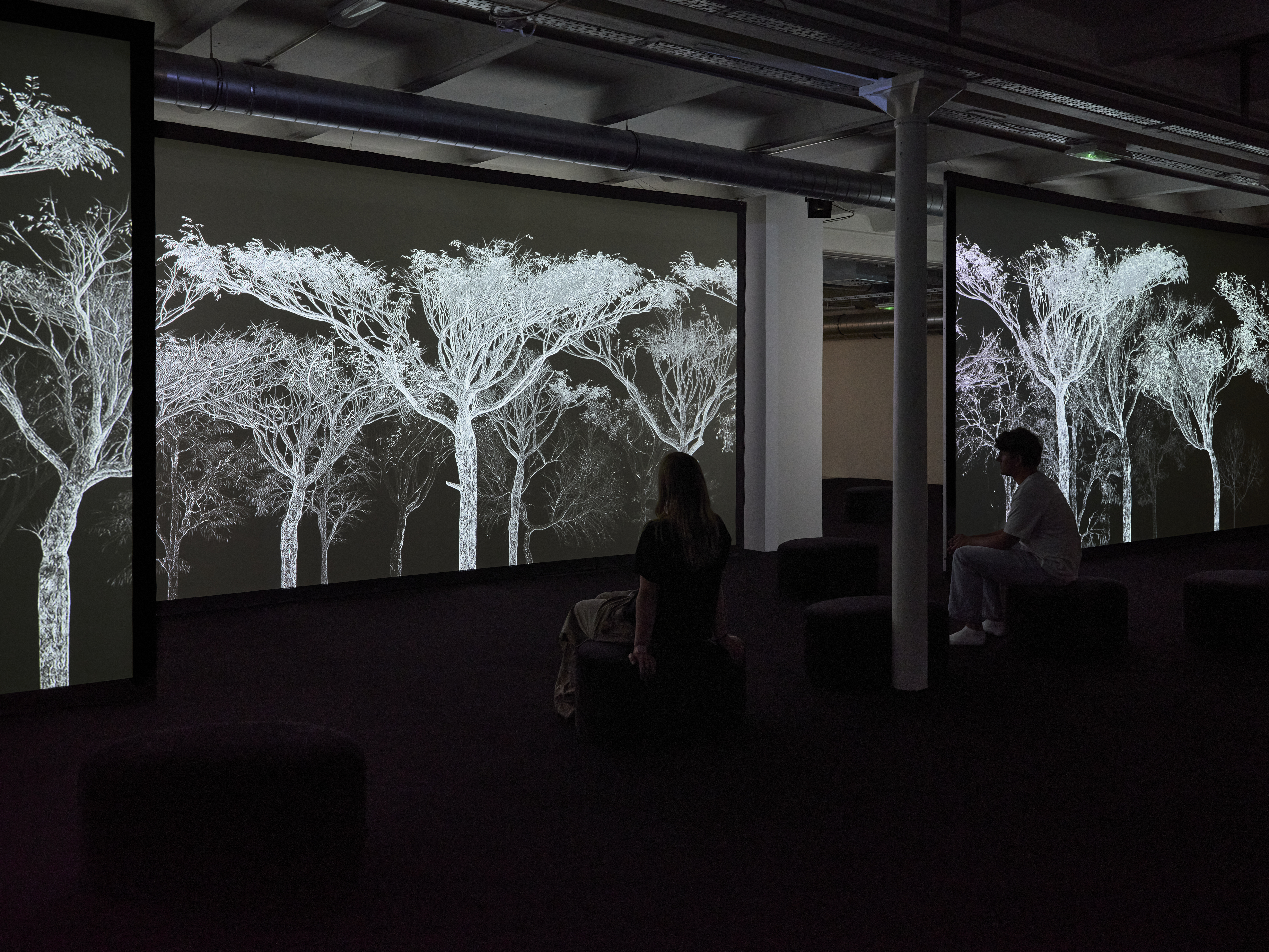 Abdessamad El Montassir. Vue d’exposition « Sur les ruines, les pierres fleurissent », présentée par Fræme, Friche la Belle de Mai, 2026 © Abdessamad El Montassir / ADAGP, Paris. Crédit photo : Gregoire D’Ablon
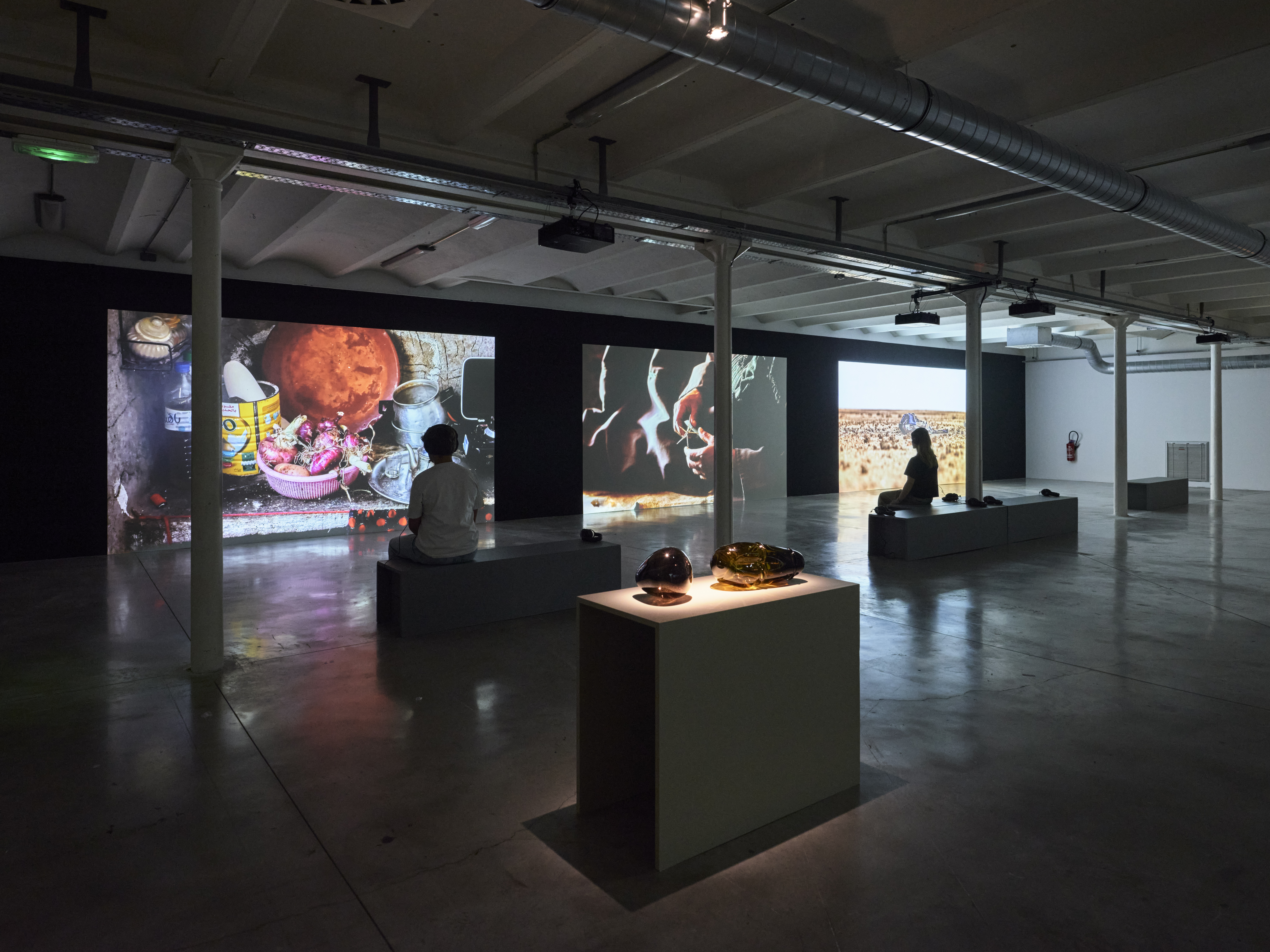 Abdessamad El Montassir. Vue d’exposition « Sur les ruines, les pierres fleurissent », présentée par Fræme, Friche la Belle de Mai, 2026 © Abdessamad El Montassir / ADAGP, Paris. Crédit photo : Gregoire D’Ablon
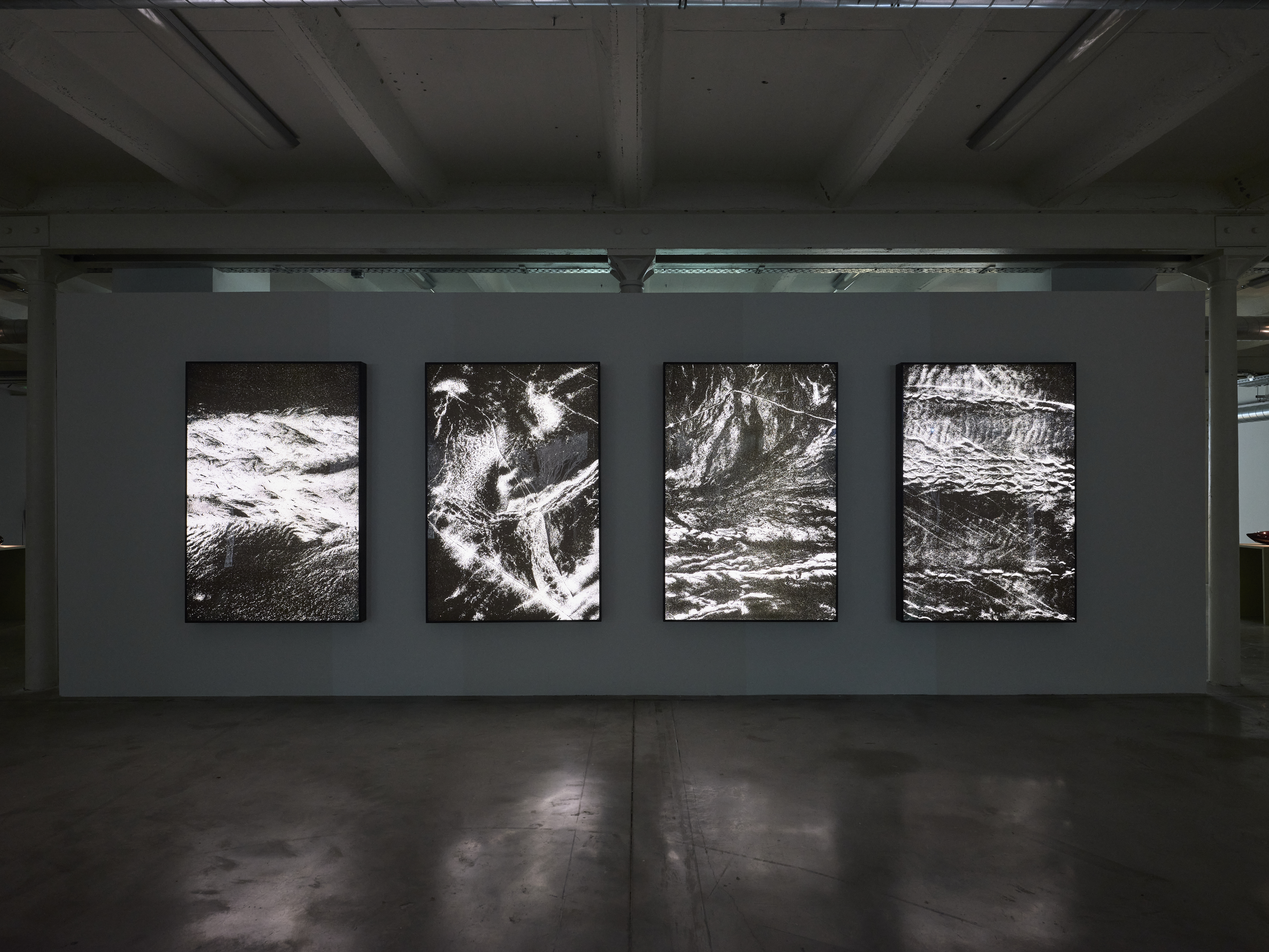 Abdessamad El Montassir. Vue d’exposition « Sur les ruines, les pierres fleurissent », présentée par Fræme, Friche la Belle de Mai, 2026 © Abdessamad El Montassir / ADAGP, Paris. Crédit photo : Gregoire D’Ablon
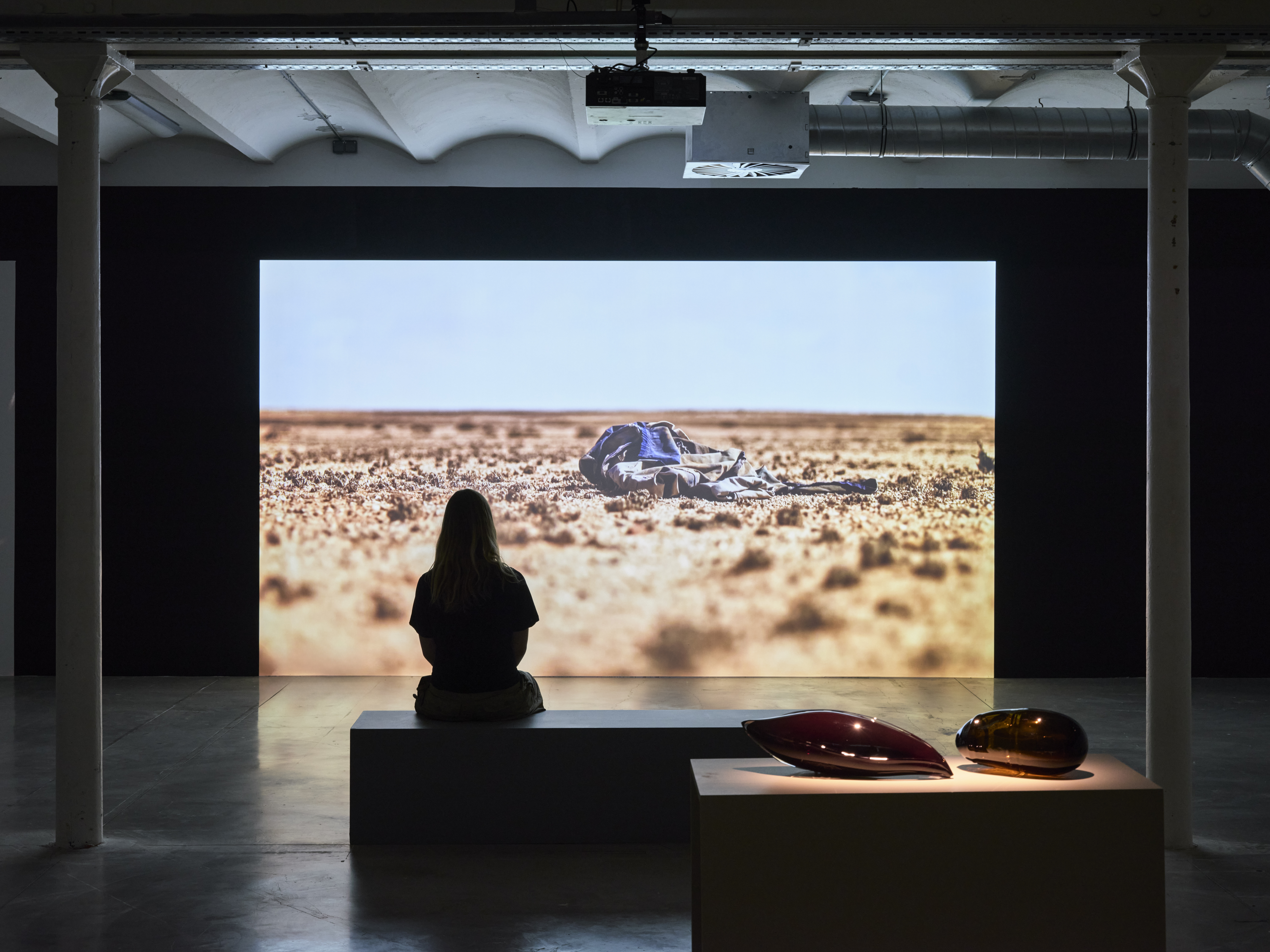 Abdessamad El Montassir. Vue d’exposition « Sur les ruines, les pierres fleurissent », présentée par Fræme, Friche la Belle de Mai, 2026 © Abdessamad El Montassir / ADAGP, Paris. Crédit photo : Gregoire D’Ablon
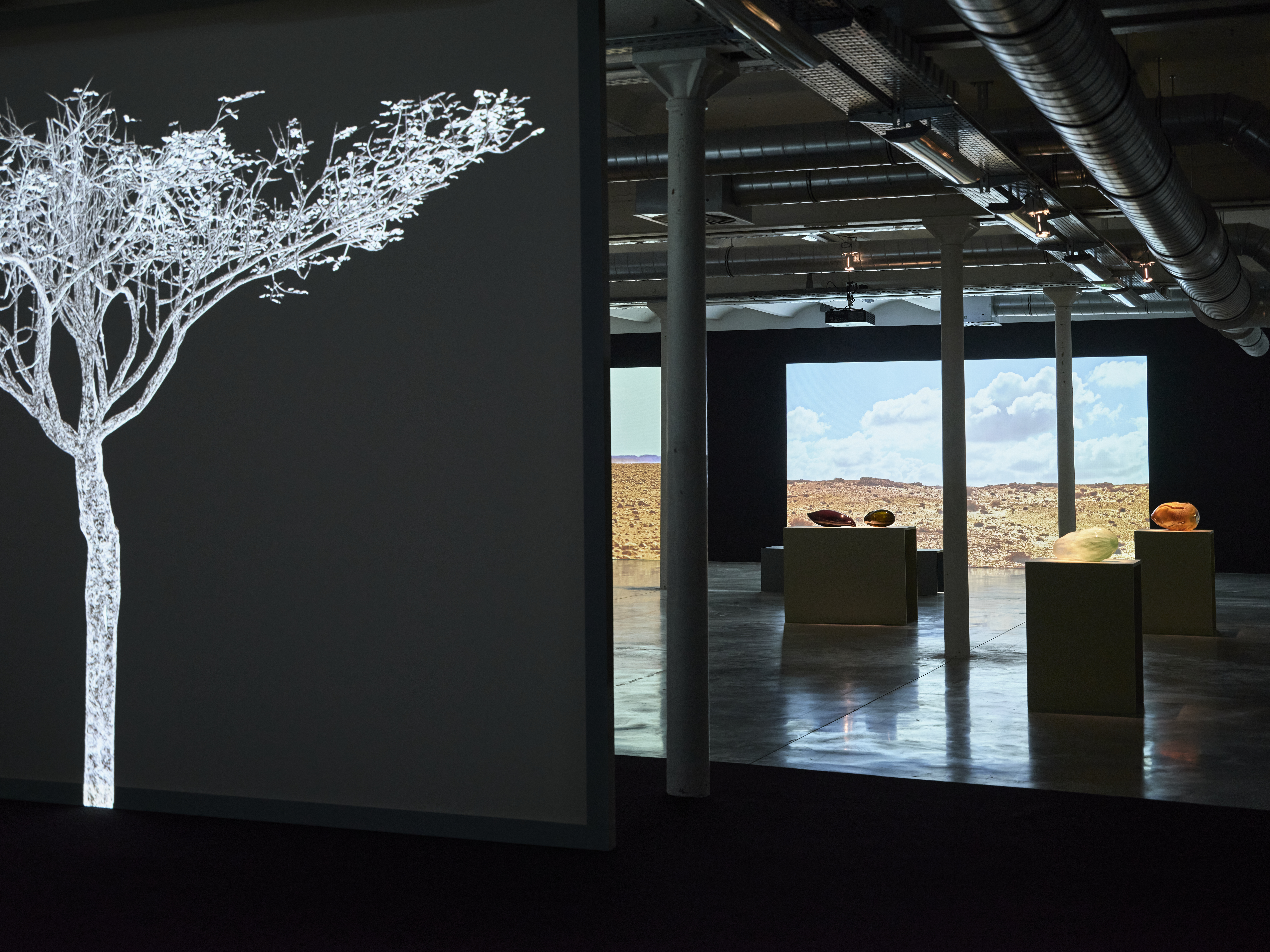 Abdessamad El Montassir. Vue d’exposition « Sur les ruines, les pierres fleurissent », présentée par Fræme, Friche la Belle de Mai, 2026 © Abdessamad El Montassir / ADAGP, Paris. Crédit photo : Gregoire D’Ablon
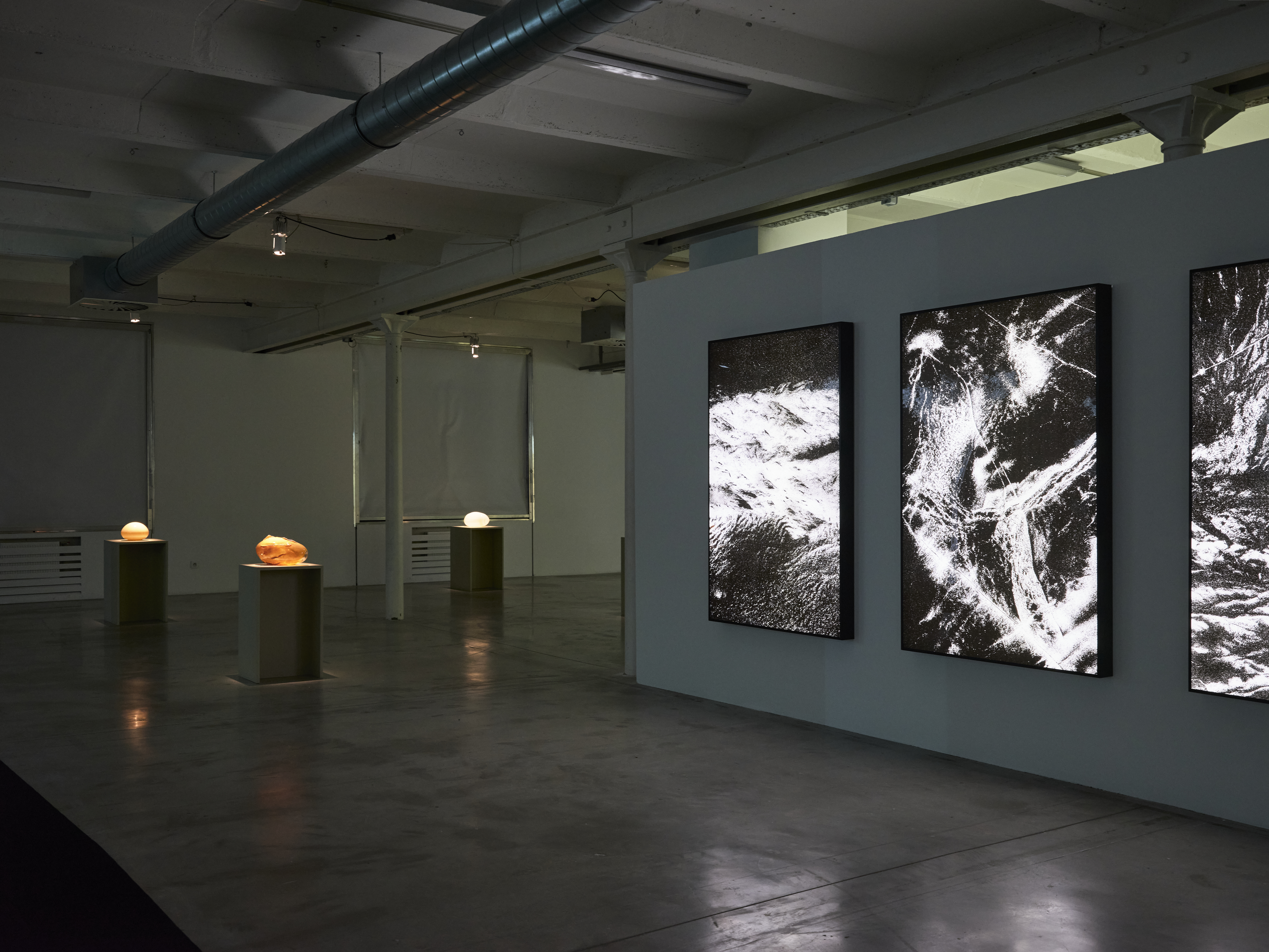 Abdessamad El Montassir. Vue d’exposition « Sur les ruines, les pierres fleurissent », présentée par Fræme, Friche la Belle de Mai, 2026 © Abdessamad El Montassir / ADAGP, Paris. Crédit photo : Gregoire D’Ablon
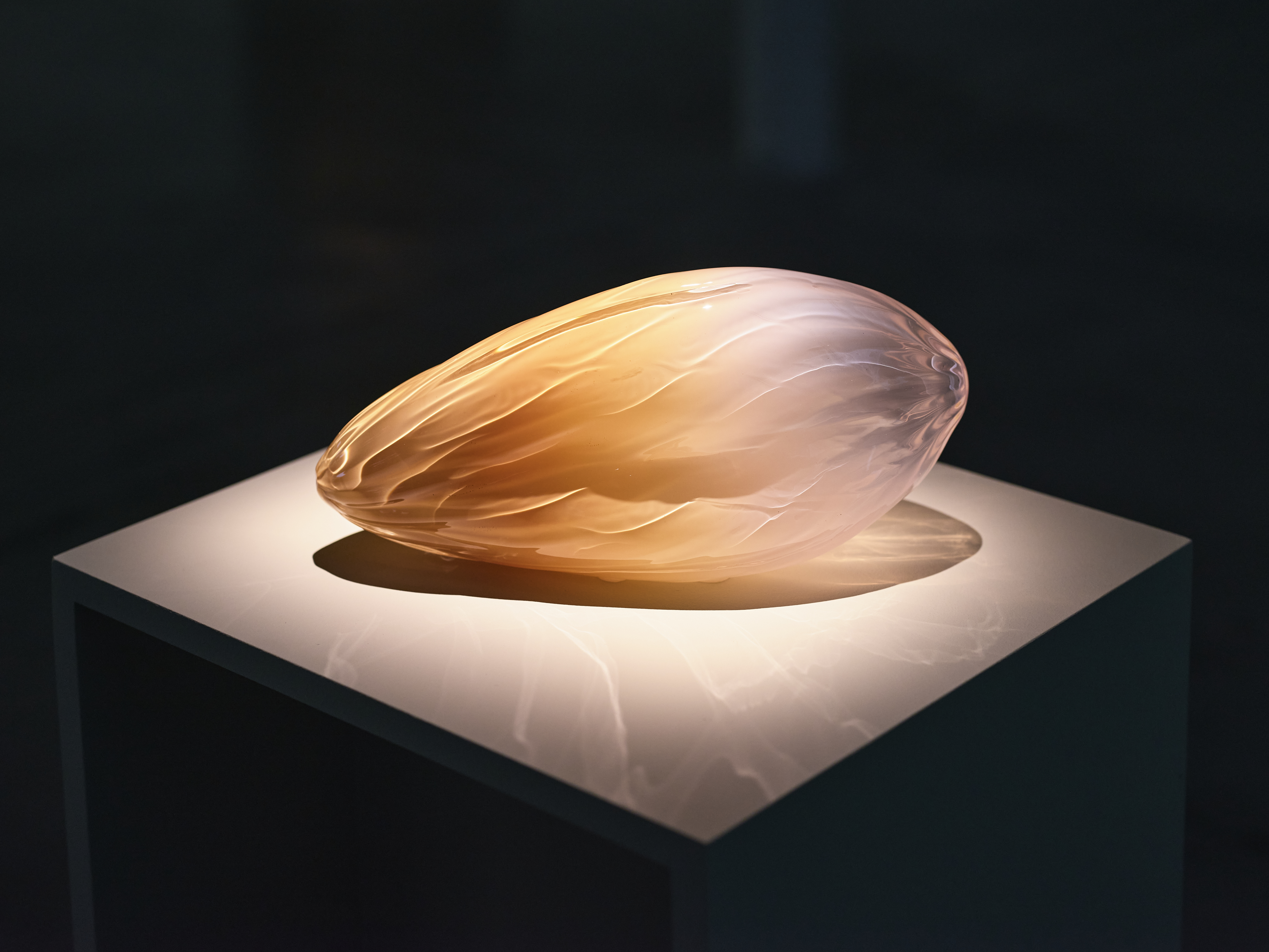 Abdessamad El Montassir. Âabide l’kadia (détail), 2025—2026, installation de 10 sculptures en verre soufflé, dimensions variables. Production Cirva / FRÆME, réalisation Cirva, Marseille. © Abdessamad El Montassir / ADAGP, Paris. Crédit photo : Grégoire d’Ablon
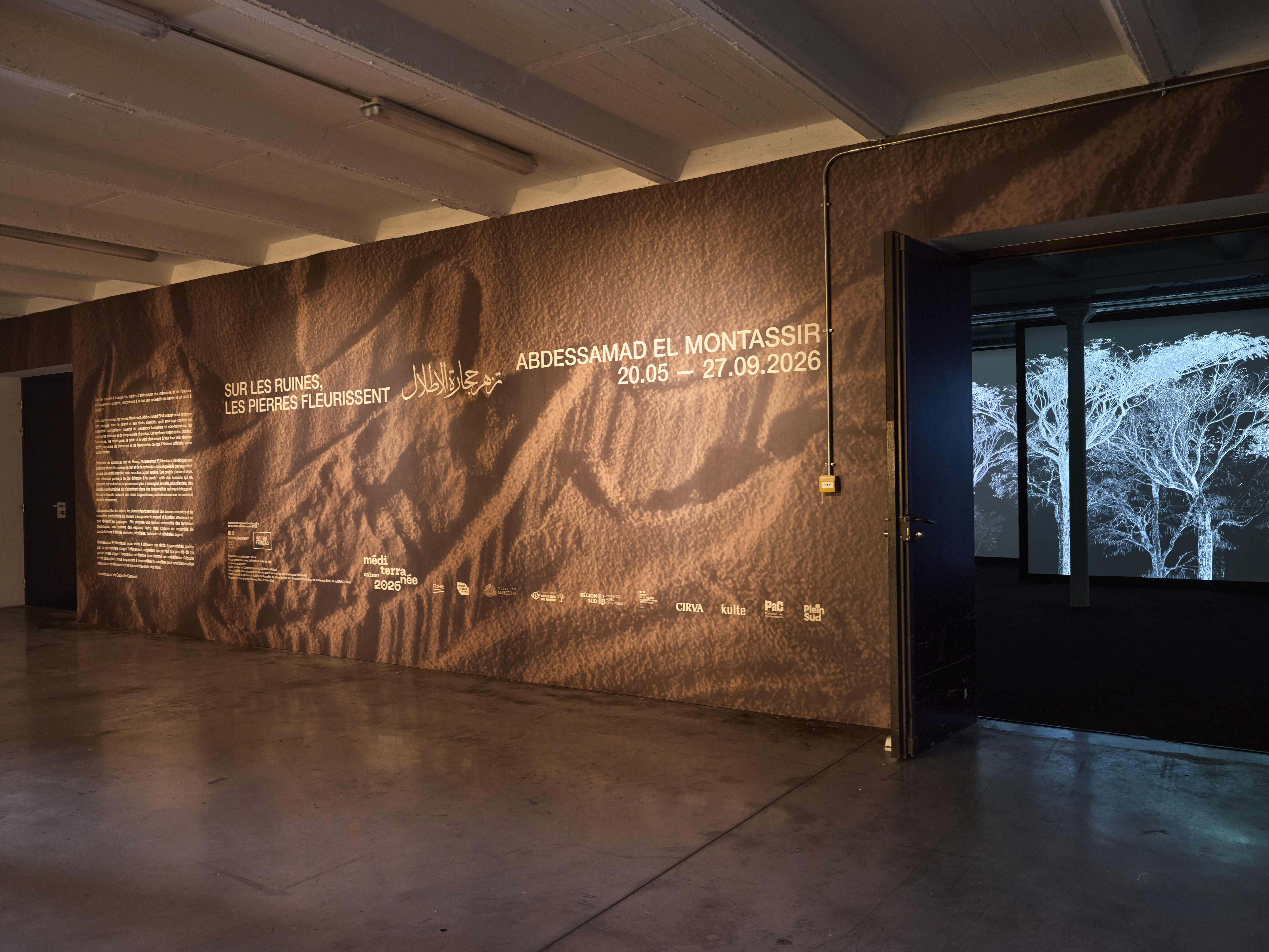 Abdessamad El Montassir. Vue d’exposition « Sur les ruines, les pierres fleurissent », 2026 © Abdessamad El Montassir / ADAGP, Paris. Design graphique : Akakir Studio. Crédit photo : Gregoire D’Ablon
Exposition présentée et produite par Fræme, en co-production avec la Friche la Belle de Mai
Exhibition presented and produced by Fræme and co-produced by la Friche la Belle de Mai